Avoid These 3 Things in Pocket Option Trading
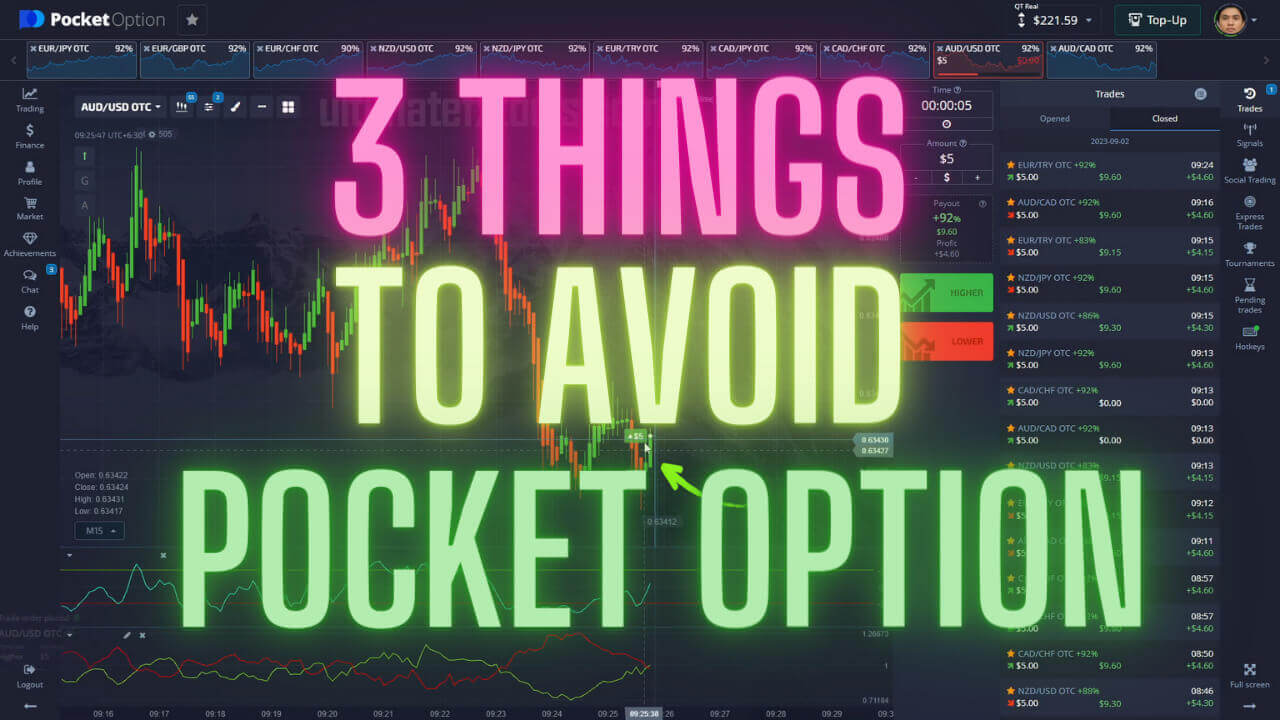
Pocket Option is a fast-paced platform, and that speed is exactly what trips up so many newer traders. Most accounts are not blown by a lack of clever entries — they are blown by a handful of avoidable habits that quietly drain a balance over time. Below are three of the most damaging mistakes we see repeatedly, why each one hurts, and what to do instead. The goal here is not to promise a certain outcome; trading carries real risk. The goal is simply to help you protect your capital and stay in the game long enough to keep learning.
1. Trading Your Whole Balance on One Position
The single fastest way to damage an account is putting most or all of your balance into one trade. In short-expiry trading, a single tick against you can close the position at a loss, and if that position was your entire stake, there is nothing left to trade with tomorrow. It feels efficient when it works and catastrophic when it does not.
What to do instead: Risk only a small, fixed slice of your balance per trade — many traders cap this at around 1–2 percent. Position sizing this way means no single trade can end your account, and it keeps your decision-making calm because the outcome of any one trade barely moves the needle.
2. Using a Martingale (Doubling Down After a Loss)
Martingale is the tempting idea that after a losing trade you simply double the next stake to "recover" the loss, then keep doubling until a win erases everything. On paper it looks like it must eventually work. In reality, a short losing streak — which every trader hits — grows the required stake exponentially until it exceeds your balance or the platform's maximum trade size. One bad run can wipe out weeks of careful gains. Avoid martingale and any progression system built on chasing a loss with a bigger bet.
What to do instead: Keep your stake consistent regardless of the previous result. Treat each trade as independent. A flat, fixed-size approach removes the doubling spiral entirely and makes your risk predictable.
3. Overtrading and Chasing Losses
After a loss, the urge to "win it back" immediately is powerful — this is often called revenge trading. It usually leads to taking rushed, low-quality setups, trading too frequently, and abandoning your plan out of frustration or greed. Overtrading turns a small, normal drawdown into a much larger one, because emotion, not analysis, is now driving your clicks.
What to do instead: Set a maximum number of trades per session and a daily loss limit. When you hit either, stop for the day. Patience and discipline are not glamorous, but a calm trade beats a rushed one made out of frustration nearly every time.
Build a Simple Risk Management Routine
Good risk management ties all three lessons together. Before you place a trade, decide three things in advance: how much you will risk per position, a daily profit target, and a daily loss limit. Writing these down turns vague intentions into rules you can actually follow when the market gets emotional.
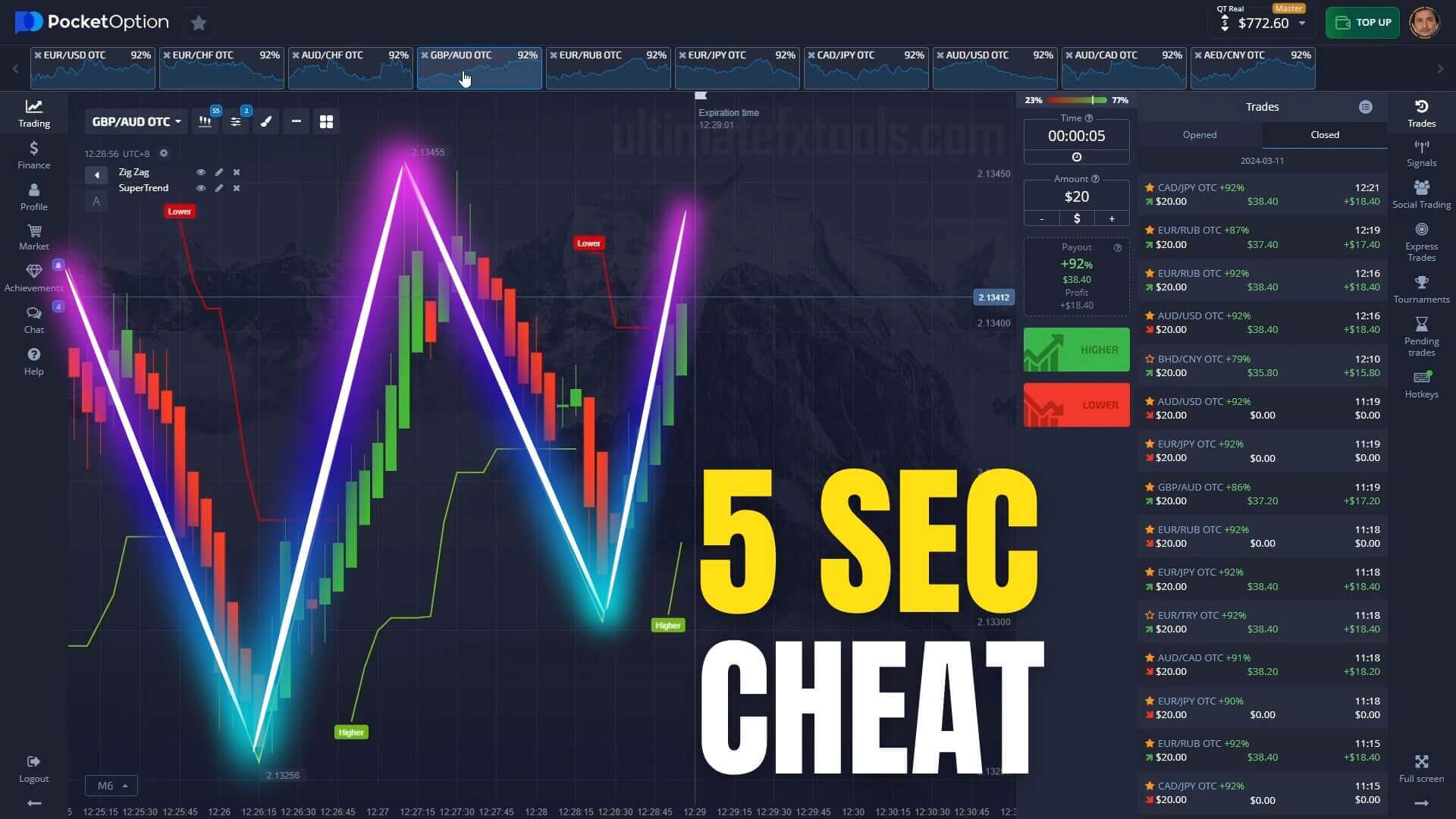
Consistency matters more than any single big day. Growing a balance slowly and protecting it during losing stretches is what keeps traders around long enough to improve. Pairing sound risk rules with a clear read of the chart also helps — if you want structured setups to study, our Pocket Option trending breakout method and the 5-second reversal approach both walk through how a defined plan looks in practice.
Frequently Asked Questions
How much of my balance should I risk per trade?
A common guideline is a small fixed percentage — often 1 to 2 percent of your total balance per trade. The exact figure is personal, but the principle is fixed: no single trade should be able to seriously damage your account.
Is the martingale strategy a good way to recover losses?
No. Doubling your stake after each loss may work for a few trades, but an ordinary losing streak can escalate the required stake beyond your balance or the platform's limits and wipe out your account. A flat, consistent stake is far safer and easier to manage.
How do I stop myself from overtrading?
Set concrete limits before you start: a maximum number of trades and a daily loss cap. When you reach either, close the platform for the day. Removing the decision in the heat of the moment is the most reliable way to break the revenge-trading cycle.
Learning these habits takes time and screen practice. If you want a full toolkit of indicators and strategy guides to study alongside your own trading, our complete library is available for a one-time $39 lifetime payment — no subscription.
This content is for educational purposes only and is not financial advice. Trading involves substantial risk; you can lose some or all of your capital. No result is guaranteed and past performance does not indicate future results. Trade only what you can afford to lose.