Trading Pocket Option With a Realistic Strategy
The phrase "Pocket Option no loss strategy" gets searched constantly, so it is worth being direct from the start: a genuine no-loss strategy does not exist. Every approach to short-term trading produces losing trades, and any method, video, or seller that promises otherwise is showing you the single biggest red flag in this space. What you can build is a structured, repeatable setup that keeps your losses small and controlled while you learn to read the market. That is a very different, and far more useful, goal than chasing a fantasy.
Pocket Option is a trading platform that offers forex pairs, commodities, and OTC (over-the-counter) instruments that stay open on weekends. That variety is genuinely useful for practising, but variety does not remove risk. The edge, if you develop one, comes from disciplined analysis and risk control, not from a magic combination that never loses.
Why "No Loss" Is a Myth and a Warning Sign
Short-term binary and options-style trades are probabilistic. Price can move against a technically sound entry for reasons no indicator predicts, such as news, thin liquidity, or simple randomness. Because of that, losses are unavoidable over any meaningful sample of trades. A "no loss" claim usually hides one of two things:
- Selective reporting: only the winning trades are shown, while the losers quietly disappear from the results.
- Martingale-style recovery: doubling the stake after every loss so the balance looks like it "never goes red." This is not a no-loss method; it is a fast route to a wiped-out account. One extended losing streak, which will eventually happen, can cost more than months of small gains. Treat martingale as a warning, not a plan.
If a strategy is marketed on the promise that you cannot lose, that marketing itself is the reason to walk away.
A Sensible Setup: Timeframe and Entry Rules
Instead of a no-loss promise, aim for a clear, rule-based process you can follow the same way every time. A common beginner-friendly structure looks like this:
- Timeframe: start on the 1-minute to 5-minute charts, which give you time to read a signal rather than reacting in seconds.
- Trend context: use a moving average to define direction and prefer entries that align with it rather than fighting it.
- Momentum confirmation: combine an oscillator such as the RSI or the DeMarker with Bollinger Bands, and only act when two independent tools agree.
- Skip unclear setups: when signals conflict, the correct trade is often no trade at all.
Confirmation reduces the number of low-quality trades, but it never eliminates losing ones. For related timing ideas, see the Pocket Option 3-minute strategy and the faster Vortex and CCI 10-second setup.
Risk Management: The Part That Actually Protects You
Since losses are guaranteed to occur, managing them is where real durability comes from. A few habits that matter more than any single indicator:
- Risk a small, fixed fraction of your balance per trade, commonly around 1-2 percent, so no single loss is damaging.
- Never increase your stake to "win back" a loss. Keep position size flat regardless of recent results.
- Set a daily loss limit and stop trading once you hit it.
- Practise on a demo account first, and keep a simple journal of what worked and what did not.
If you want a curated set of tools to build and test setups like this, the full $39 lifetime library includes indicators for MT4 and MT5 you can study on a demo account before risking anything real.
Realistic Expectations
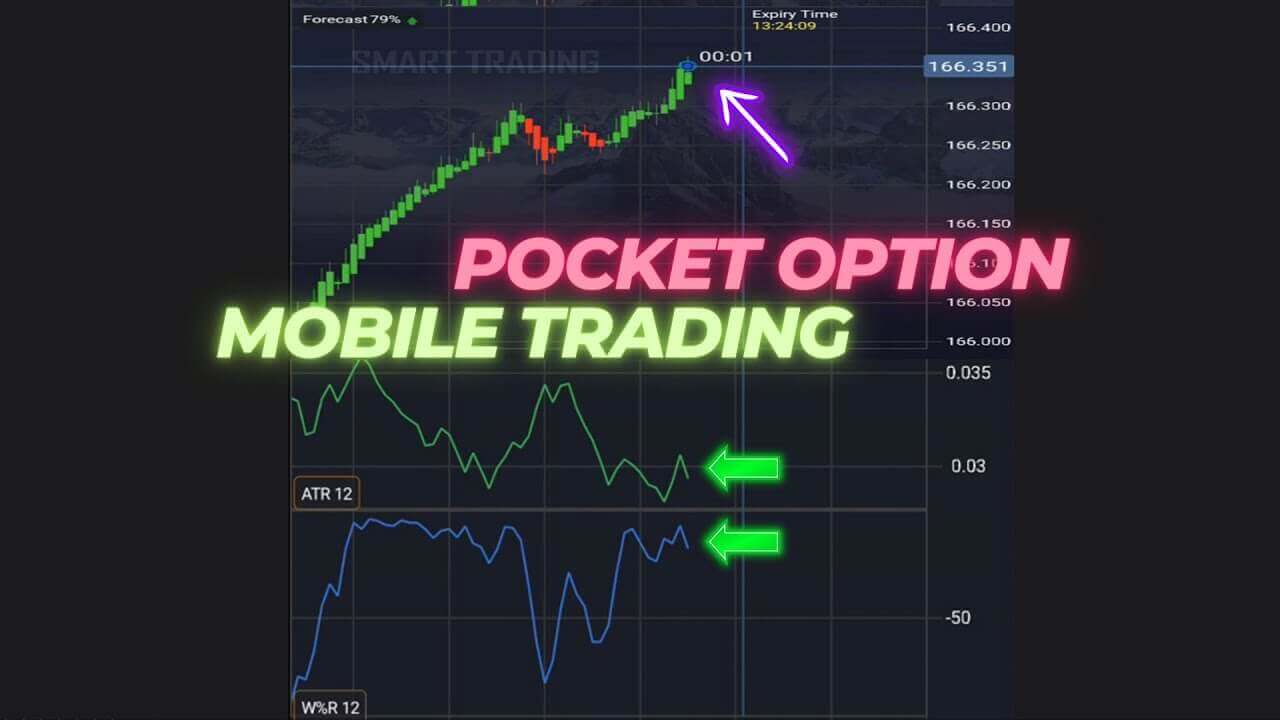
A well-run strategy aims for consistency over many trades, accepting small losses as a normal cost of doing business. Some sessions will be negative, and that is expected. Judging your method over a long series of trades, rather than one lucky or unlucky day, is what separates a durable trader from someone chasing the next "guaranteed" shortcut. For a slower, mobile-friendly variation, the ATR and Williams %R mobile setup is worth a look.
Frequently Asked Questions
Is this really a no-loss strategy?
No. There is no such thing as a no-loss trading strategy, and any claim of one is a red flag. Losses are an unavoidable part of trading. The realistic goal is to keep losses small and controlled through disciplined risk management, not to avoid them entirely.
Should I use martingale to avoid losing?
No. Doubling your stake after each loss can hide losses temporarily, but a single extended losing streak can wipe out your account. Keep your position size flat and accept small losses instead.
What is a safer goal for a beginner?
Focus on a repeatable, rule-based process, risk only a small fixed percentage per trade, practise on a demo account, and evaluate your results over a large number of trades rather than a single session.
This content is for educational purposes only and is not financial advice. Trading involves substantial risk; you can lose some or all of your capital. No result is guaranteed and past performance does not indicate future results. Trade only what you can afford to lose.