Quickler Easy 5 Seconds Strategy
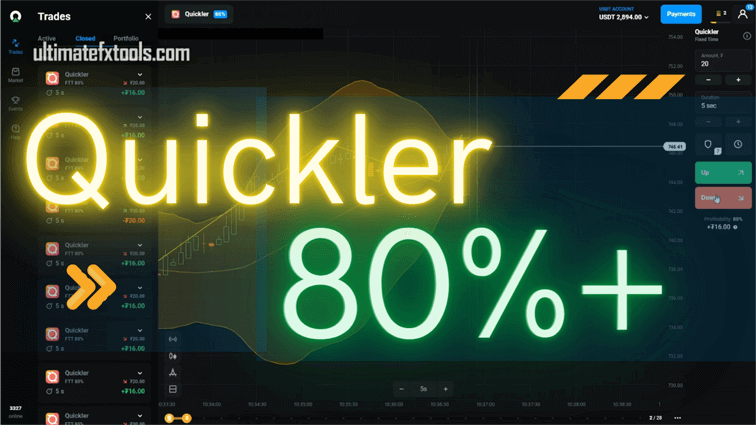
Quickler on Olymp Trade is one of the fastest ways to place a trade anywhere: you pick up or down and the position closes just 5 seconds later. That short window is exciting, but it is also the least forgiving timeframe there is. There is almost no room for a setup to develop or recover, so a clear, rule-based method matters far more here than on a slower chart. This guide pairs two well-known indicators — Bollinger Bands and the ZigZag — to read short bursts of momentum, and is honest about where the approach breaks down.
Bollinger Bands: Reading Volatility
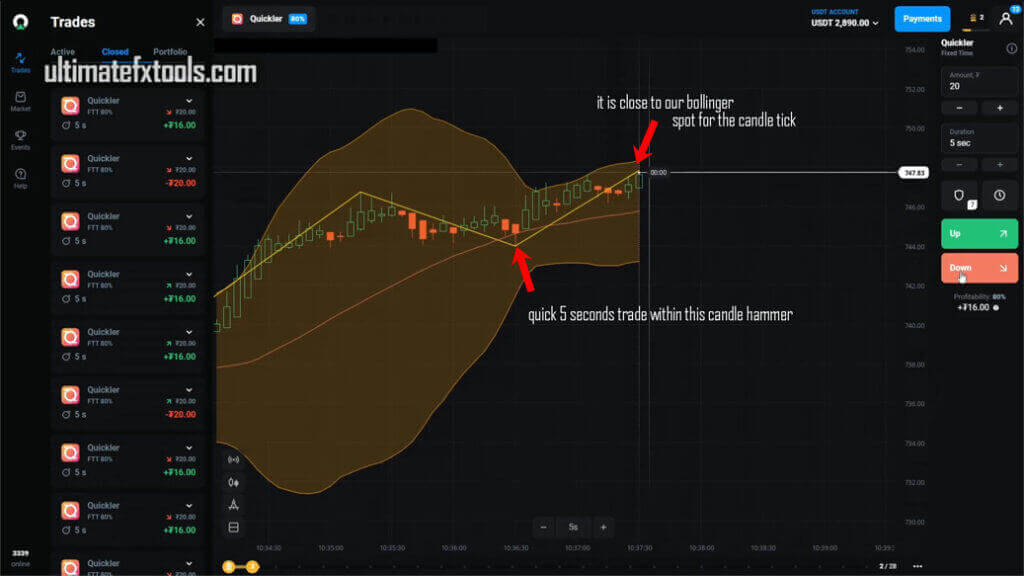
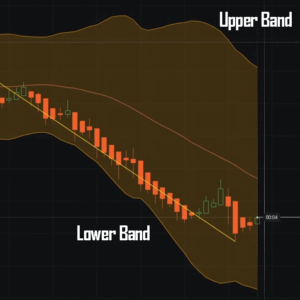
Bollinger Bands are three lines: a middle moving average with an upper and lower band set a number of standard deviations away. Their job is to measure volatility. When the market is quiet the bands squeeze together; when it gets active they widen apart. The idea traders lean on for a fast contract is that when price stretches out and pokes the outer band, it is trading far from its recent average and may snap back toward the middle. That is a tendency, not a rule — in a strong move price can ride the outer band for candle after candle, so touching a band is a reason to look, never an automatic entry.
ZigZag: Useful, But It Repaints
The ZigZag indicator draws straight lines between significant swing highs and lows, filtering out small noise so the underlying structure is easier to see. There is one thing you must understand before you rely on it: the ZigZag repaints. Its most recent leg is provisional. As long as price keeps moving, that last line can extend, shorten, or redraw in a different direction entirely, and it only becomes fixed once a large enough reversal confirms it. In hindsight the ZigZag looks perfectly timed because you see only settled legs; in live 5-second trading you are looking at the unsettled one. Treat the current leg as a hint about direction, not a finished signal.
How to Set It Up
Load both indicators on the Olymp Trade chart (or a matching MetaTrader chart) and keep the settings simple:
- Bollinger Bands — Period 20, Deviation 2. These are the standard values and give a balanced read of how far price has stretched from its average.
- ZigZag — Depth 12, Deviation 5, Backstep 3. Depth sets how many candles a swing must dominate, Deviation the minimum percentage move, and Backstep how far apart pivots must sit before a new one prints.
The entry logic is a confluence, not a single trigger. Look for a call (up) only when price is testing the lower band and the forming ZigZag leg is trying to turn up from it. Look for a put (down) only when price is testing the upper band and the ZigZag leg is rolling over from the top. If the two disagree, or the bands are wide and price is powering straight through them, stand aside — that is trend, not the snap-back this setup is built for.
When It Fails
Be clear-eyed about the weak spots. A 5-second expiry gives a setup no time to work: a single tick against you at the close turns a good read into a loss. The band touch that looked like exhaustion is often the start of a breakout, and the ZigZag leg you entered on may redraw away a few seconds later. None of that makes the tools useless — it means you size small and expect a run of losing trades. Risk management is the whole game here: stake a small, fixed fraction of your balance per trade, cap how many trades you take in a session, and stop at a preset daily loss limit. Do all of this on a demo account first, until the reads feel automatic and you have seen how often the outer band gets run through, before you risk real money.
If you want to go slower while you learn the pattern, compare this with the Olymp Trade Quickler 5 second strategy and the calmer Olymp Trade 1 minute strategy, or read more about the contract itself in the Quickler option overview.
Quickler Bollinger + ZigZag Video
FAQ
Is the ZigZag reliable for 5-second trades?
The ZigZag is a helpful way to see market structure, but its final leg repaints and can redraw as price moves. Use it to gauge direction alongside the Bollinger Bands, and never treat the current, unconfirmed leg as a locked-in signal on such a short expiry.
What Bollinger and ZigZag settings should I use?
A common starting point is Bollinger Bands at Period 20 and Deviation 2, with ZigZag at Depth 12, Deviation 5, Backstep 3. Test these on a demo chart and adjust to the pair and conditions you trade rather than assuming any single set of numbers suits every market.
Do I need a paid membership to trade this?
No. The concepts here work with the standard Bollinger Bands and ZigZag indicators built into most platforms. A single $39 lifetime plan gives you the wider library of indicators and strategy videos if you want more tools, but it is not required to apply this method.
This content is for educational purposes only. Trading involves risk. Past results do not guarantee future outcomes. Always practice responsible money management and limit your daily trades to avoid large losses.