60 Second Binary Options Strategy
A 60-second binary option is the fastest expiry most platforms offer: you predict whether price will be higher or lower one minute from now, and the position settles the moment the timer runs out. That speed is the appeal, and it is also the problem. Over such a short window price behaves less like a trend and more like random noise, so a one-minute expiry sits much closer to a coin flip than a longer timeframe does. The second you enter, the spread, and a single stray tick can decide the result. That does not make the timeframe unusable, but it demands strict selectivity and disciplined risk control.
This guide walks through a simple, rules-based setup built on our premium trading indicators read in MetaTrader, and the moments when the right move is to skip the trade entirely.

The Core Setup
The method combines a fast moving average, the RSI (Relative Strength Index), and the MACD (Moving Average Convergence Divergence). Each does one job. The moving average reads the immediate direction of price; RSI shows whether momentum is stretched into overbought or oversold territory; MACD confirms that momentum is actually turning rather than drifting. On its own, any one of these fires constantly on a one-minute chart and produces more noise than signal. Used together as a confirmation stack they filter each other, and only the setups where all three agree are worth acting on. Filtering out the disagreements is what separates a considered trade from a gamble.
Recommended Settings
Keep the tools on standard values so they react quickly without flipping on every candle:
- Moving average: a short EMA (for example, period 5 to 9) to read immediate direction.
- RSI: period 14, watching the 70 and 30 levels for overbought and oversold.
- MACD: 12 fast EMA, 26 slow EMA, 9 signal line.
- Timeframe / expiry: the one-minute (M1) chart with a one-minute expiry, so the read and the trade match.
Trade only a few liquid pairs you know well, keep the chart uncluttered, and let each candle close fully before you read the signal. Under a 60-second clock, a clean chart and a fixed routine matter more than any single input value.
Entry Logic and Confirmation
The rules are deliberately plain so they can be applied calmly inside a one-minute window:
- Call (up): price holds above the fast EMA, RSI is turning up out of the oversold zone, and the MACD histogram is rising with the MACD line crossing above its signal line. A green candle off a recent low that lines up with all three adds confidence.
- Put (down): price trades below the fast EMA, RSI is rolling over from overbought, and the MACD histogram is falling with the MACD line below its signal line.
- Stand aside: the three tools disagree, price is stuck flat, or a major news release is due. No trade is a valid and frequent decision here.
When It Fails
Be honest about the weak points, because they cost most beginners. In a choppy, sideways market the indicators flip back and forth and generate signals that lead nowhere; if the chart has no clear direction, the safest read is no trade. Spread and slippage eat directly into a one-minute result, so a signal that looks clean can still settle against you by a fraction of a pip. The entry moment matters enormously over 60 seconds, which is why chasing a signal a few seconds late so often backfires. In messy conditions, stepping up to a two-minute reading can filter out the weakest alerts.
Risk Management Comes First
No indicator removes losing trades, so survival depends on how you size and pace them. Stake a small, fixed fraction of your balance on each trade, cap how many trades you take in a session, and stop once you hit a preset loss limit. A critical warning: never try to recover a loss by doubling your next stake. That martingale style of doubling down feels logical but stacks your largest risk onto the moment you can least afford it, and a short run of losses on a coin-flip timeframe can wipe out an account fast. Steady, same-size decisions build consistency. Practise the whole routine on a demo account before you risk real funds.
FAQ
Is a 60-second strategy reliable?
It is the least reliable timeframe in binary options because one minute of price action is dominated by noise, spread, and timing. The indicator stack here is decision support that flags setups worth considering, not a promise of the outcome. Treat it as a way to be more selective, and expect losing trades as a normal part of the process.
Which platforms and tools do I need?
The signals are read in MetaTrader (MT4 / MT5) using the moving average, RSI and MACD combination, then applied to your binary options platform. Every indicator on the site is included in a single $39 lifetime plan, so you are not paying per tool.
How is this different from an even shorter expiry?
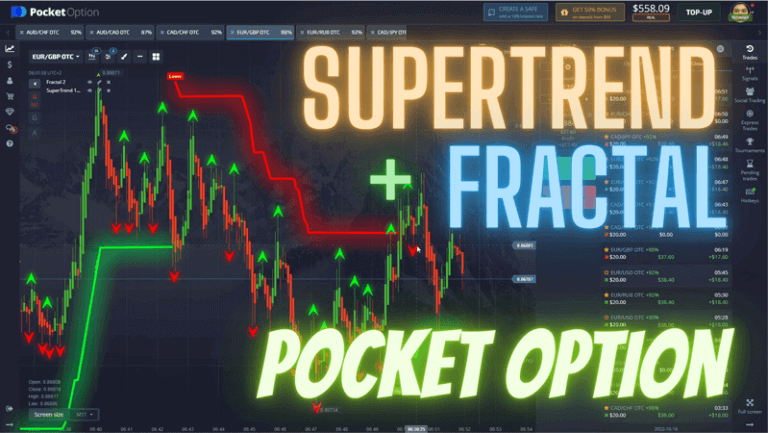
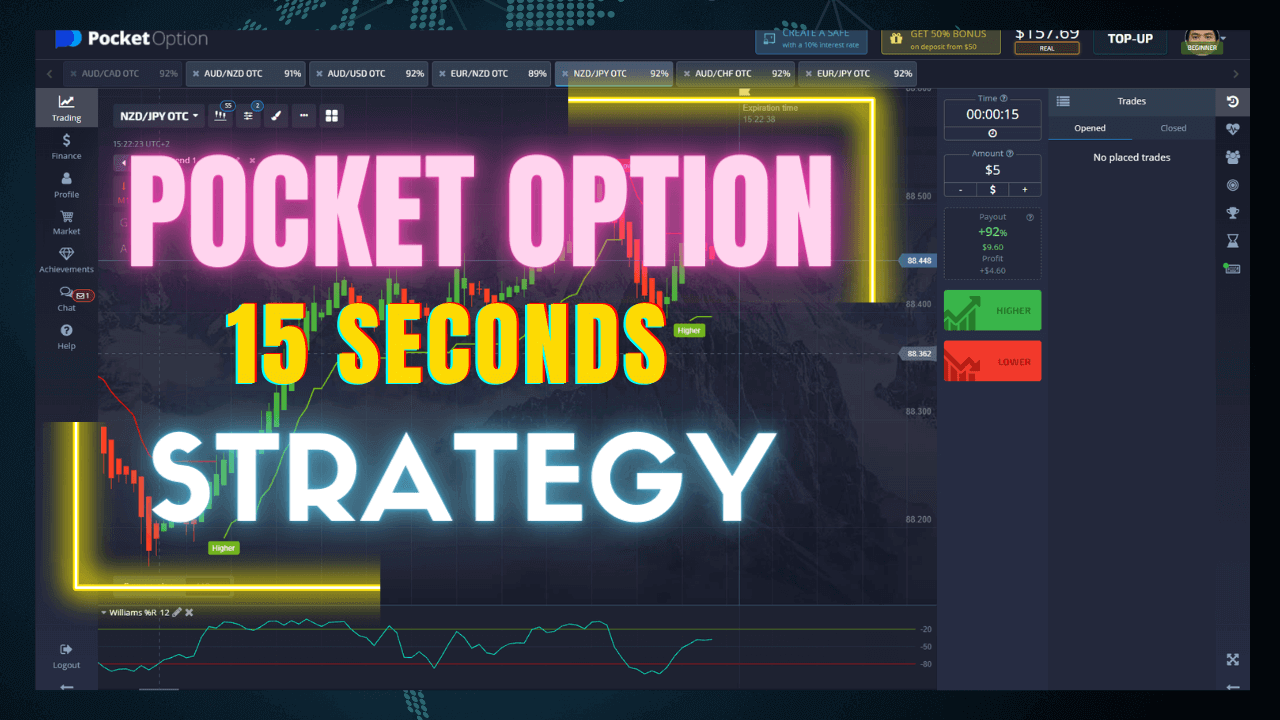
Shorter expiries are noisier still and give the tools even less time to confirm. To see how a comparable rules-based idea plays out on another fast timeframe, compare the 15-second Pocket Option strategy; for a slower, trend-following contrast see the Pocket Option Super Trend strategy.
This content is for educational purposes only. Trading involves risk. Past results do not guarantee future outcomes. Always practice responsible money management and limit your daily trades to avoid large losses.