Pocket Option Burst Trading
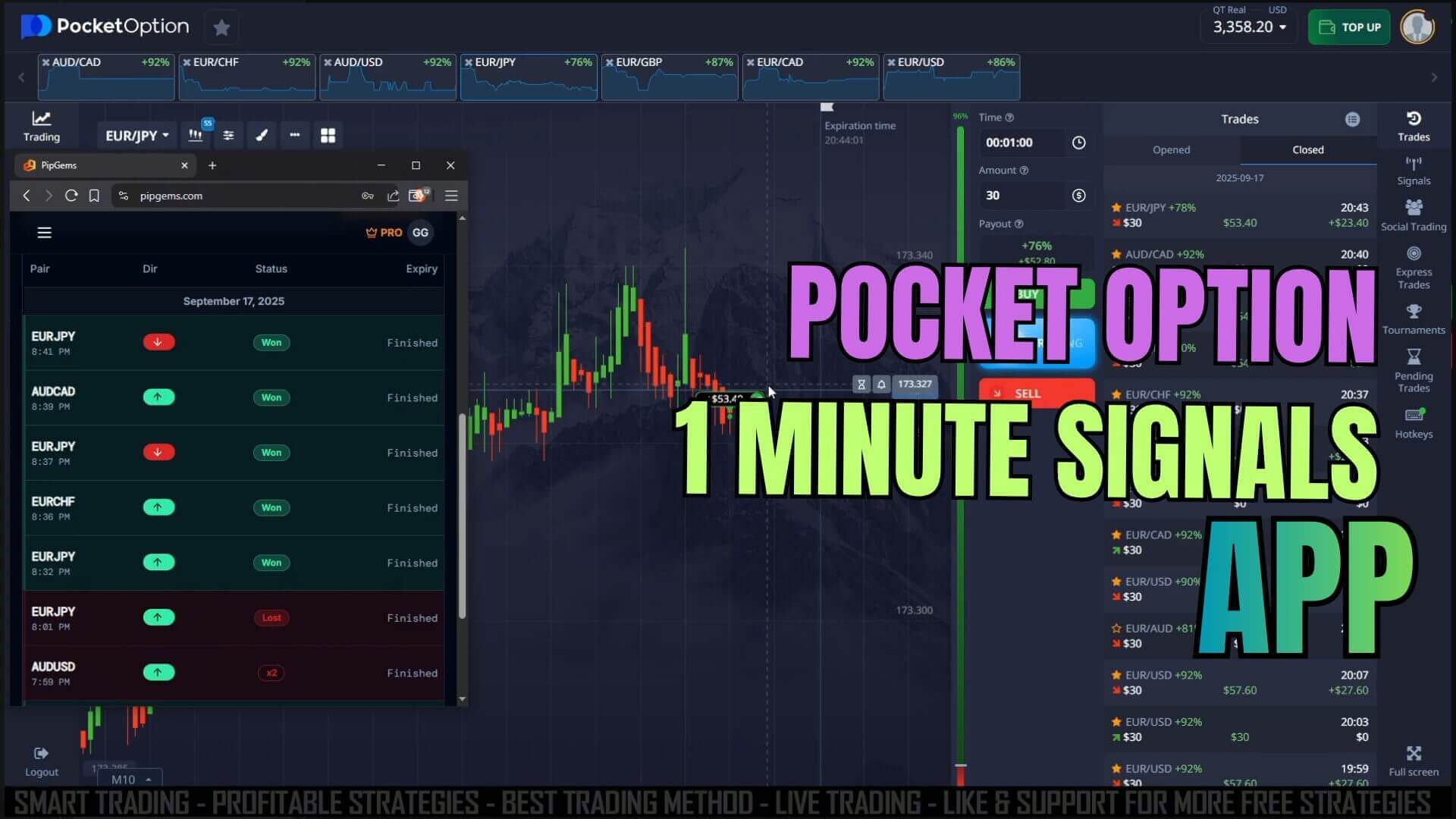
Burst trading on Pocket Option means placing quick, short-duration trades - often on the 1-minute timeframe or with expiries measured in seconds. The appeal is obvious: fast feedback and lots of setups in a single session. The trade-off is just as real. The shorter the timeframe, the more of what you see is random noise rather than a genuine move, so results swing hard from one session to the next. Fast trading is high-variance by nature, and it quietly tempts you into overtrading. This guide covers what burst trading actually is, a sensible setup, the overtrading trap, and realistic expectations.
What Burst Trading Really Is
On a 1-minute chart, price prints a new candle every sixty seconds, so signals arrive constantly. That frequency is the point - and the problem. A tool such as Binary Sniper Pro can flag a possible reversal, but a flag is a prompt to check, not a command to click. The same alert that looks sharp in one moment can fire against a strong trend in the next. Treat every burst signal as a question - "does price action agree?" - rather than an answer.
A Sensible Setup and Entry Rules
Keep the setup simple so you can act inside a tight window without second-guessing:
- Pick one or two liquid pairs and watch only those. Fewer charts means cleaner decisions.
- Note the higher-timeframe direction (5-minute or 15-minute) first, so you know whether a 1-minute signal is with or against the larger trend.
- Wait for confirmation before entering - a rejection wick, a bearish or bullish engulfing candle, or an overbought/oversold reading on RSI or DeMarker at a clear support or resistance level.
- Skip signals that fire in the middle of a strong, one-directional push. Counter-trend burst entries are the ones most likely to disappoint.
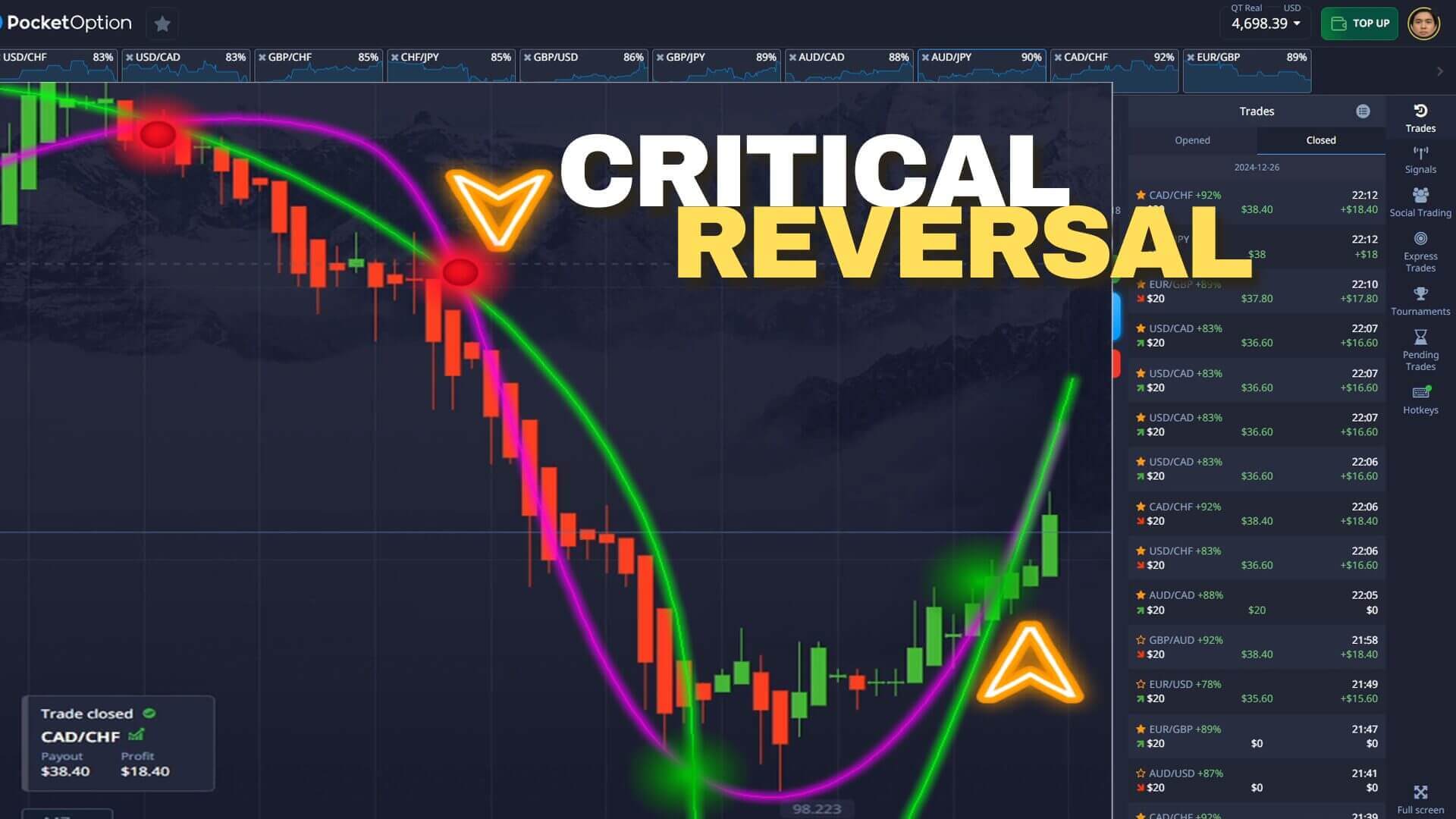
If you want a slower, cleaner version of the same idea, the two-indicator Pocket Option method and the critical reversal strategy both lean on confirmation over speed.
The Overtrading Risk
This is the part most burst traders underestimate. Because setups appear every minute, it is easy to keep clicking - chasing a loss, doubling down on the same pair, or opening a fresh trade before the last one closes. That behaviour is how a manageable strategy turns into a losing streak. A special warning on Martingale: increasing your stake after each loss to "recover" feels logical but exposes you to a fast, account-emptying drawdown when losses cluster, which on high-variance fast trades they eventually will. Do not use it. Fixed stake sizing and a hard trade cap are the discipline that keeps burst trading survivable.
Risk Management for Fast Trading
Because variance is high, your rules matter more than any single signal:
- Cap the number of trades per session - for example, five to ten - and stop when you hit it, win or lose.
- Set a daily loss limit and a daily profit target, and close the platform when either is reached.
- Risk a small, fixed amount per trade. Never increase stakes to chase a loss.
- Practise on a demo account until your process is boring and repeatable before risking real money.
Realistic Expectations
Burst trading is not a shortcut. It is a fast, demanding style where a few bad minutes can undo a good hour, and no indicator or signal removes that uncertainty. Some sessions will simply not offer clean setups - and sitting on your hands is a valid, often profitable, decision. Judge your progress over many sessions, not by any single trade or day.
Frequently Asked Questions
Does this strategy win every trade?
No. No strategy, signal, or indicator wins every trade, and fast burst trading is especially high-variance. Confirmation and disciplined risk management aim to keep you in the game over time - not to eliminate losing trades, which are a normal part of trading.
What timeframe and expiry should I use?
Burst trading typically uses the 1-minute chart with short expiries. Shorter expiries react faster but carry more noise, so keep them consistent with the setup you confirmed and avoid switching mid-session out of frustration.
Do I need paid tools to start?
No. You can practise the approach with the built-in candlestick, RSI, and DeMarker tools on most platforms. If you later want the full indicator library, UltimateFXTools offers lifetime access on the pricing page for a one-time $39.
This content is for educational purposes only and is not financial advice. Trading involves substantial risk; you can lose some or all of your capital. No result is guaranteed and past performance does not indicate future results. Trade only what you can afford to lose.