A 30-Second Pocket Option Method for Mobile, Built on ATR and ADX
Speed trading on a phone lets you act on a setup wherever you are. The catch is that a 30-second expiry is a high-variance game: the timer barely gives price room to move, so a single candle of noise can decide the outcome. What you need is a way to filter when the market is worth touching, and that is exactly what the Average True Range (ATR) and the Average Directional Index (ADX) are good at. Used honestly, they tell you whether conditions favour a move at all — not which way to bet.
The One Thing Most Mobile Guides Get Wrong
Custom MetaTrader indicators — the .ex4 and .ex5 files people sell and share — only run inside the MT4/MT5 desktop terminal on Windows. They do not load into the Pocket Option phone app, nor into the MetaTrader mobile apps. Any guide that tells you to drag a custom arrow indicator onto your phone chart is describing something the app cannot do. A genuine mobile method has to use the tools already built into the app — and ATR and ADX are both on that built-in list inside Pocket Option. No downloads, no imported files.
What ATR and ADX Actually Measure
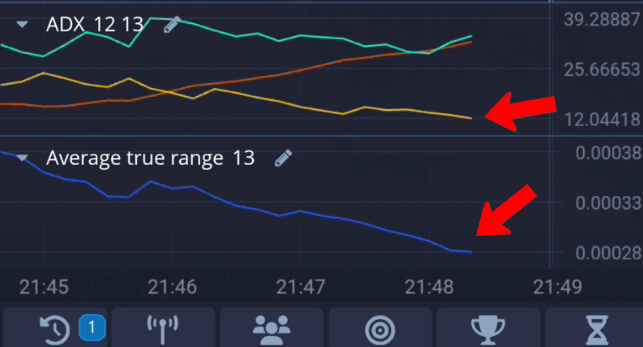
ATR measures volatility, not direction. It reads the average size of recent candles. A rising ATR means candles are getting bigger, so there is enough movement for a 30-second trade to reach somewhere; a very low ATR means the market is flat and a short trade is close to a coin flip on noise. It also tells you whether a move is big enough to be worth taking.
ADX measures trend strength, not direction. A reading above roughly 25 says a trend is present with some force behind it; below about 20 says the market is ranging or drifting, the worst environment for a directional short-expiry trade. Crucially, ADX rises whether price is going up or down — it is a strength gauge, so you still read the candles and price structure to decide up or down.
Together they answer one question: is now a moment with enough movement and enough trend to justify a trade? They filter timing. Neither predicts the next candle, and neither removes the variance baked into a 30-second expiry.
Setup and Settings on the Pocket Option App
From the mobile chart, open the indicators menu and add both from the built-in list:
- ATR — period 14. Watch the direction of the line more than its absolute value.
- ADX — period 14, noting the 20 and 25 levels so you can see when strength crosses into trending territory.
- Use a candlestick chart on a short reference timeframe and keep the layout clean so both sub-windows stay readable.
Entry Rules
- Filter first: only consider a trade when ADX is above ~25 and ATR is flat-to-rising. If ADX is under 20 or ATR is collapsing, stand aside — the market is not moving enough for a 30-second bet.
- Then read direction from price: in an up move (higher highs, price holding above recent structure) look for an up trade; in a down move look for a down trade. ADX confirms the force; the candles tell you the side.
- Skip the ambiguous ones: if price is chopping sideways or the candles conflict with the trend, there is no trade — passing is a valid decision.
When This Method Fails
A high ADX can appear right as a trend is exhausting, so a strong reading is not a green light on its own. ATR spikes around news can produce huge candles that blow through a 30-second window in the wrong direction. And in ranging markets both indicators go quiet — that is the signal to not trade, not to force one. The filter improves your timing; it does not create an edge from thin air, and losing trades remain a normal part of short-expiry trading.
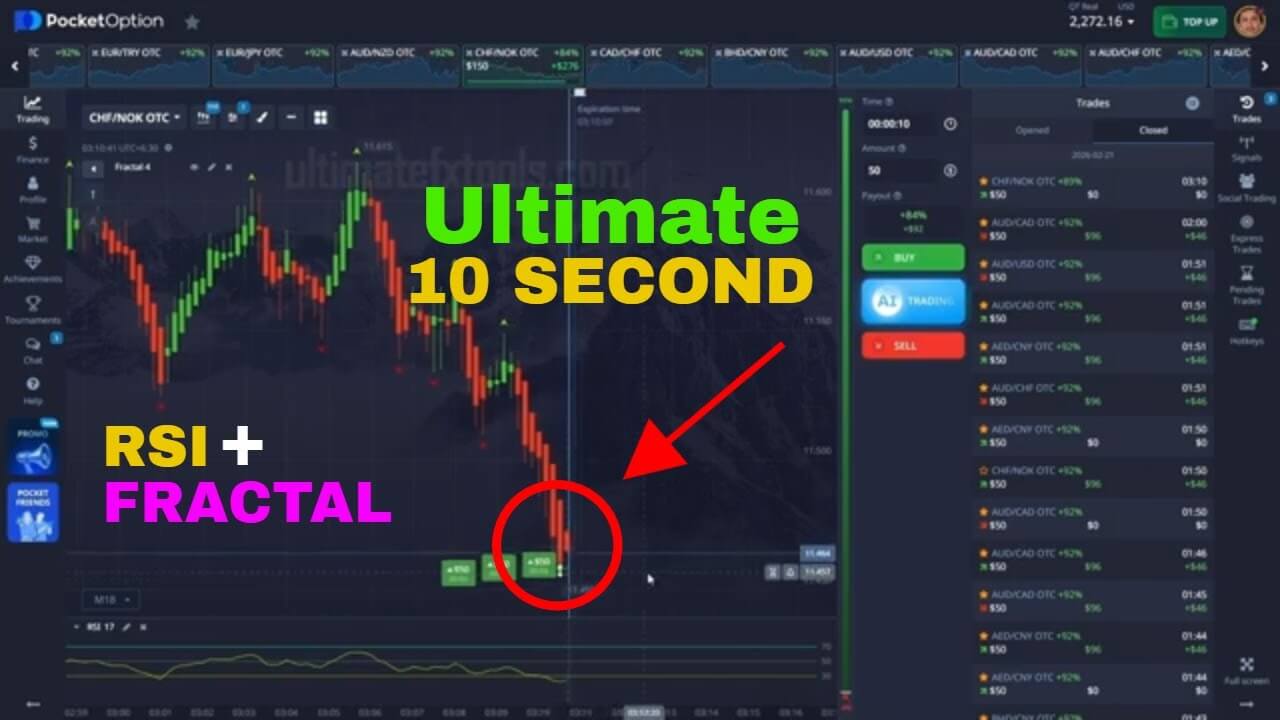
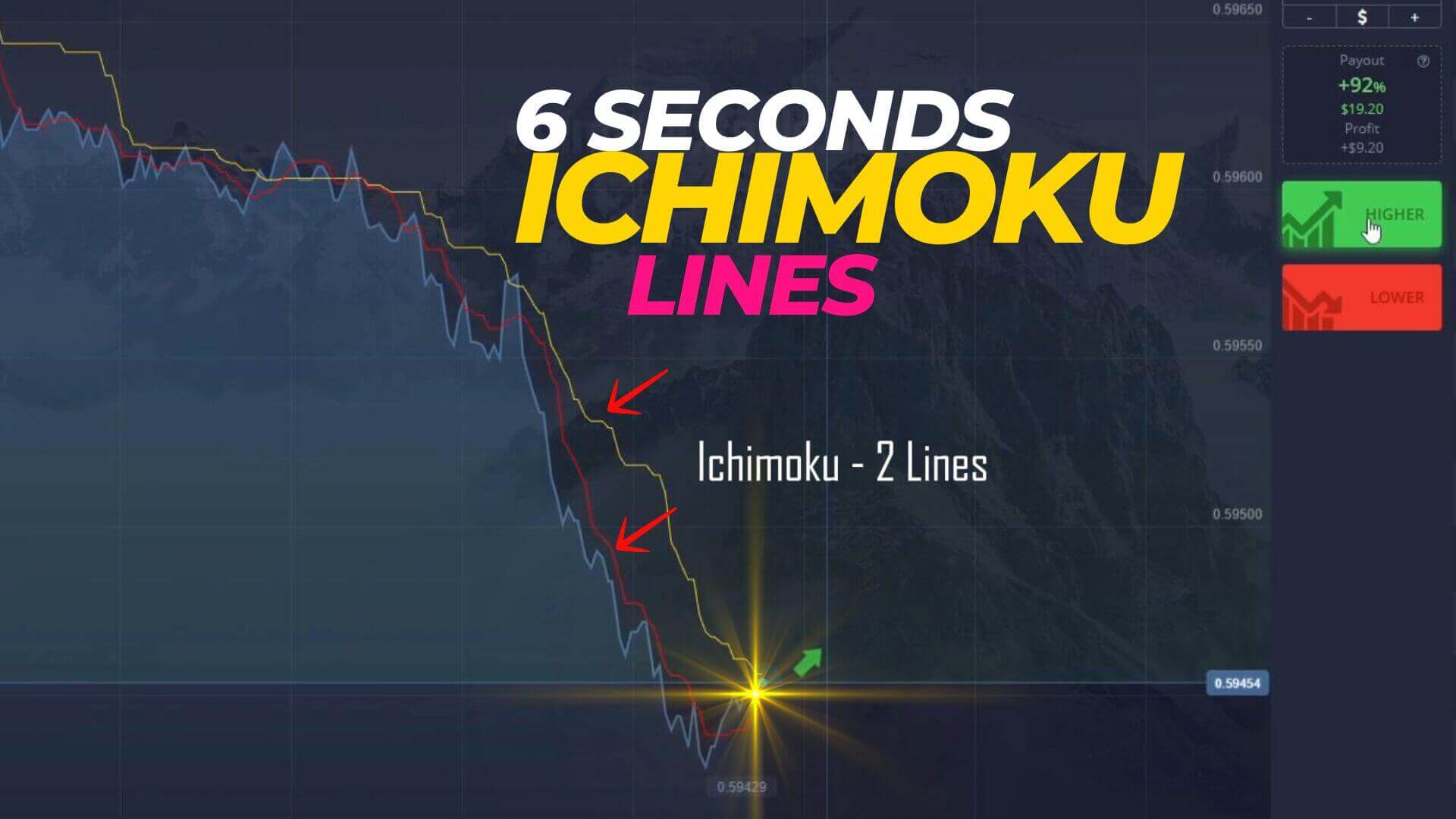
To compare pacing, this pairs naturally with the Ultimate Pocket Option 10-second strategy, the 15-second OTC approach, and the 6-second OTC Ichimoku method — seeing how different expiries change the way you read the same chart.
FAQ
Can I load a custom MT4 or MT5 indicator on the Pocket Option mobile app?
No. Custom .ex4 / .ex5 indicators only run in the MetaTrader desktop terminal on Windows; the Pocket Option and MetaTrader phone apps cannot import them. On mobile you use the app's own built-in indicators, which is why this method relies on ATR and ADX. To run custom indicators you would use a Windows desktop — and the full library is covered by the single $39 lifetime plan.
Is a 30-second expiry a good idea for beginners?
It is the hardest style to trade with any consistency because the expiry is so short that random noise dominates. If you are new, practise the ATR/ADX filter on a demo balance and consider longer expiries where your read has room to play out.
Do ATR and ADX tell me whether to trade up or down?
No — that is the key point. ATR gauges volatility and ADX gauges trend strength; both are direction-blind. You read direction from price structure itself and use the two indicators only to judge whether conditions are worth trading.
This content is for educational purposes only. Trading involves risk. Past results do not guarantee future outcomes. Always practice responsible money management and limit your daily trades to avoid large losses.